
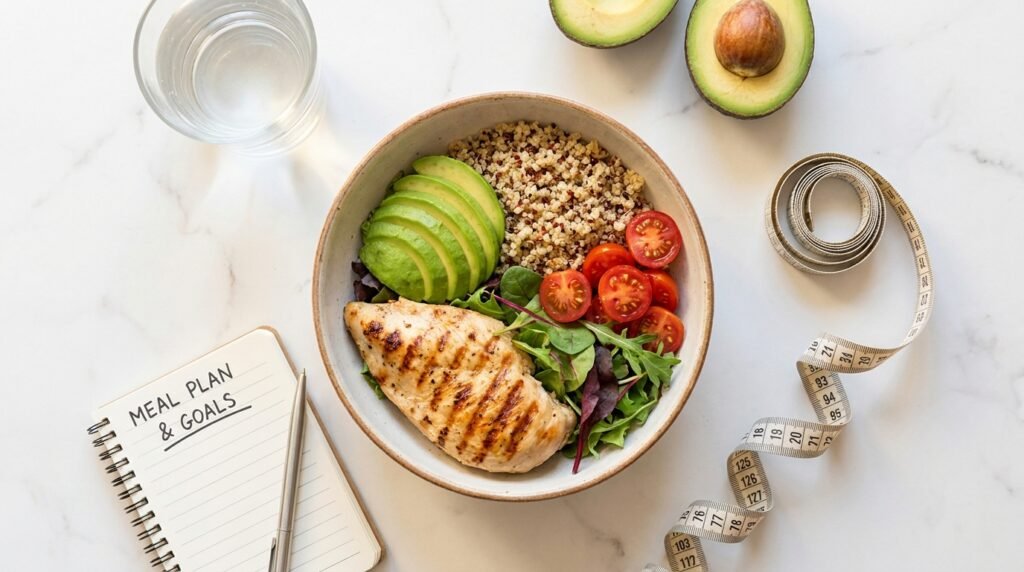
Nutrition and weight management are two of the most searched health topics on the planet right now — and for good reason. Getting nutrition and weight management right is the foundation of every lasting transformation story you’ve ever read. Every year, millions of people set out with genuine motivation to transform their bodies, feel lighter, move better, and live longer. Yet despite that motivation, a huge number of them stall, plateau, or simply give up within a few months. If that sounds familiar, you’re not alone — and more importantly, it’s not your fault.
The truth is, most people fail at weight loss not because they lack willpower, but because they’re working with outdated information or following health plans that were never designed for their real life in the first place. Science has moved on dramatically. What worked (or what we thought worked) in 2010 looks very different from what the best researchers and clinicians are recommending in 2026.
This guide cuts through the noise. Whether you’re just starting out or you’ve been on this road for years, you’ll walk away with a clear, practical, and genuinely human-friendly framework for sustainable weight loss — one built on real evidence, not Instagram trends.

Table of Contents

Why Most People Struggle with Weight Loss (And It Isn’t Laziness)
Let’s get something straight right away: struggling with weight is not a character flaw. Your body is not broken. It is, in fact, doing exactly what millions of years of evolution designed it to do — protecting you from starvation.
When you cut calories too aggressively or follow rigid health plans that ignore your biology, your body fires back. It lowers your resting metabolic rate, ramps up hunger hormones, and quietly makes you more efficient at storing fat. It’s a survival mechanism, not a personal failure.
Modern research tells us that weight loss is influenced by a complex web of factors: your gut microbiome composition, sleep quality, stress hormones, genetics, socioeconomic environment, and even the types of foods you grew up eating. None of these things are purely within your conscious control — which is exactly why one-size-fits-all solutions so often fall flat.
The good news? Once you understand how your body actually works, building health plans that produce real, lasting results becomes a whole lot more achievable. Effective nutrition and weight management strategies don’t have to be complicated — they just need to be honest about human biology. For a deeper dive into the science of this process, the Loss Weight: The Complete Guide for 2026 is an excellent place to start.
Energy Balance — The Foundation You Can’t Skip
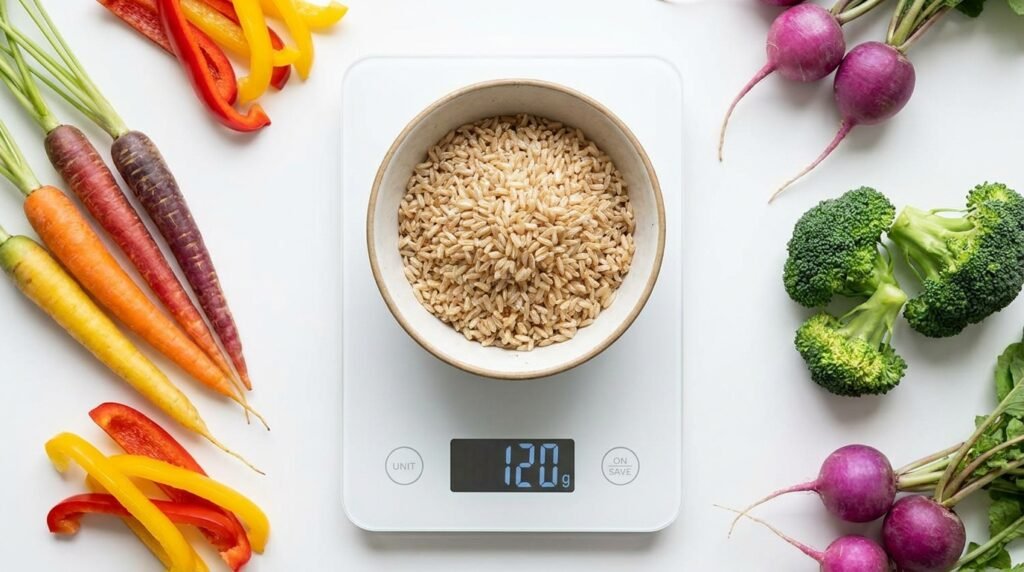
Every meaningful weight loss journey begins with understanding energy balance — and this is true across all nutrition and weight management approaches, from keto to Mediterranean to plant-based. At its most basic level, you lose weight when your body burns more energy than it takes in. That’s the calorie deficit principle, and while it’s not the whole story, it remains the non-negotiable foundation of every effective program.
Here’s what’s worth knowing in practical terms:
A moderate deficit is more powerful than an extreme one. Research consistently shows that aiming to lose around 0.5–1 kg per week — achieved through a daily deficit of roughly 500–600 calories — produces better long-term results than crash diets. You preserve more muscle, feel less miserable, and are far more likely to stick with it.
Your metabolism is not fixed. This is one of the most empowering insights in modern nutrition science. Your resting metabolic rate (RMR) is influenced by how much muscle you carry, how active you are, what you eat, and how well you sleep. That means you have real tools to work with, not just a number you’re stuck with.
The “maintenance phase” is where most people stumble. Getting to your goal weight is one thing; staying there is another. The most successful health plans in the world aren’t temporary — they’re designed from day one to be something you can live with forever. That shift in mindset, from “I’m on a diet” to “this is just how I eat now,” is one of the most powerful transitions you can make. Without that shift, even the best health plans tend to unravel within six to twelve months.
For those who want to learn more about achieving weight loss without a gym or structured plan, the Weight Loss at Home article covers this topic in a very practical, accessible way.
What You Actually Eat Matters More Than You Think
Calories matter — but calories are not all created equal. This is one of the most important lessons from the role of nutrition in weight management, and it’s something that often gets lost in the “just eat less” messaging that dominates social media.
The Protein Advantage
If there’s one nutritional lever that has the most consistent, well-supported evidence behind it for weight loss and body composition, it’s protein intake. High-protein diets help you lose more fat, preserve more muscle, and feel fuller for longer — all at once.
Here’s why that matters in practical terms:
- Protein has a high thermic effect of food (TEF), meaning your body burns roughly 20–30% of the calories from protein just to digest and metabolize it. Carbohydrates and fat don’t come close to that figure.
- Protein stimulates the release of satiety hormones like GLP-1 and PYY, which signal your brain that you’re full. At the same time, it suppresses ghrelin — the hunger hormone that makes you raid the kitchen at 10 PM.
- For people actively trying to change their body composition, research supports a protein intake of around 1.2 to 2.0 grams per kilogram of body weight per day. This range helps preserve lean muscle even when you’re in a calorie deficit.
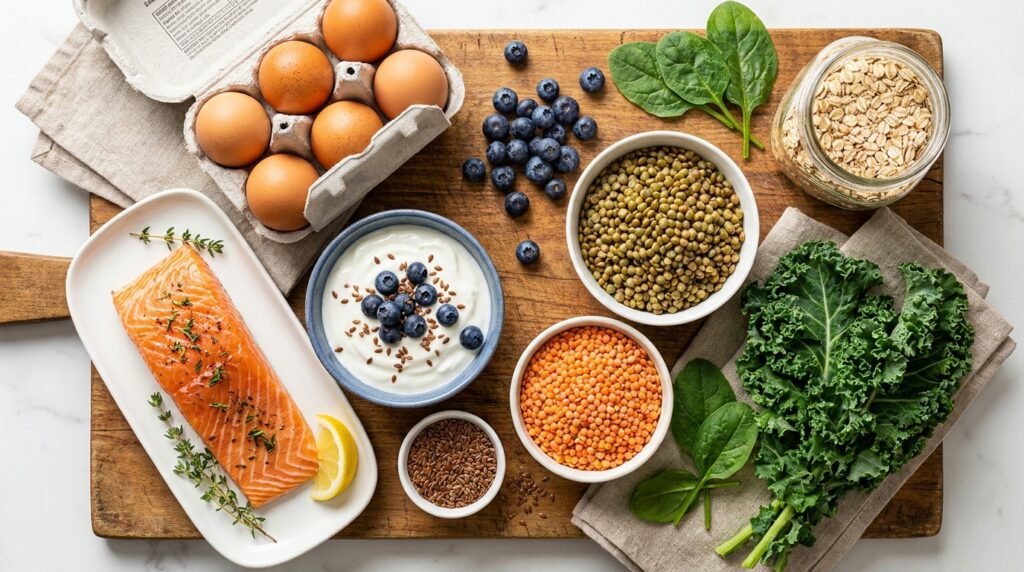
Practical sources to prioritize: chicken breast, eggs, Greek yogurt, cottage cheese, lentils, tofu, tempeh, canned tuna, and salmon. These are affordable, accessible, and genuinely satisfying when prepared well.
The Ultra-Processed Food Problem
A landmark study conducted by the National Institutes of Health (NIH) revealed something striking: when people were given unlimited access to ultra-processed foods versus whole, minimally processed foods — with both diets matched for total calories offered — those eating ultra-processed foods voluntarily consumed around 500 extra calories per day. Over just two weeks, they gained an average of nearly a kilogram while the whole-food group lost a similar amount.
What makes ultra-processed foods so problematic for weight loss? Several things converge: they’re engineered to override your satiety signals, they digest faster (spiking and crashing your blood sugar), they contain additives that may disrupt your gut microbiome, and they provide very little nutritional value per calorie consumed.
The practical takeaway is simple: the more of your diet you can shift toward whole, recognizable ingredients — vegetables, fruits, legumes, whole grains, quality proteins, and healthy fats — the easier weight loss becomes, even without obsessive calorie counting.
Fiber: Your Secret Weapon
Fiber doesn’t get nearly enough credit in mainstream weight loss conversations. Specifically, viscous soluble fiber — found in foods like oats, barley, black beans, flaxseeds, and Brussels sprouts — forms a thick gel inside your digestive tract that slows how quickly food empties from your stomach.
What does that mean for weight loss? You feel fuller for longer after meals, your blood sugar rises more gradually (reducing cravings and energy crashes), and your gut bacteria get fed in a way that supports healthy metabolism and reduced inflammation. Aim for at least 25–35 grams of total fiber daily, and make sure a meaningful chunk of that comes from soluble sources.

The Exercise Equation — Why Resistance Training Changes Everything
Exercise is essential for meaningful, lasting weight loss — but the type of exercise you prioritize makes a significant difference to your results. Strong health plans always include a movement strategy, not just a dietary one. While most people think of cardio (running, cycling, walking) when they think about burning fat, resistance training is actually the more powerful tool for long-term body recomposition.
Here’s the key insight: muscle tissue is metabolically expensive. Every kilogram of lean muscle you carry burns roughly 13 calories per day just sitting there doing nothing. Fat tissue, by contrast, burns almost nothing at rest. So the more muscle you have, the higher your baseline metabolic rate — and the easier weight loss and weight maintenance become over time.
Resistance training also produces what’s known as the EPOC effect — excess post-exercise oxygen consumption. In plain terms, this means your body continues burning extra calories for hours after a strength workout as it repairs and rebuilds muscle tissue. Steady-state cardio doesn’t produce this effect to nearly the same degree.
What a smart program looks like in practice:
For weight loss and body recomposition, focus on compound movements that recruit multiple large muscle groups simultaneously. Think squats, deadlifts, Romanian deadlifts, bench press, rows, overhead press, and pull-ups or lat pulldowns. These give you the most metabolic and hormonal “bang” for your time investment.
Aim for 3–4 sessions per week, working within the 8–15 rep range for most sets, with 3–5 sets per exercise. Progressive overload — gradually increasing the challenge over time — is what drives continued progress.
Cardio isn’t the enemy. A combination of 2–3 resistance training sessions and 2–3 moderate-intensity cardio sessions (brisk walking, cycling, swimming) per week is a well-rounded approach for general health and weight loss. Walking, in particular, is criminally underrated — it’s low-impact, easy to recover from, and extremely sustainable.
If you’re wondering how to weight loss quickly while still protecting your muscle mass, combining resistance training with a moderate protein-rich diet is genuinely the most evidence-backed answer available.
The Psychology of Lasting Change
Here’s where most health plans break down — not in the kitchen or the gym, but between your ears. The behavioral and psychological dimensions of weight loss are just as important as the nutritional and physical ones, yet they’re almost always treated as an afterthought.
Why Willpower Is the Wrong Strategy
Willpower is a finite resource. Studies in decision fatigue consistently show that the more choices you have to consciously make throughout the day, the worse your decisions become by evening. If your weight loss plan relies on you making the “right” choice at every meal through sheer mental effort, it will eventually collapse — not because you’re weak, but because that’s not how human cognition works.
Sustainable success comes from redesigning your environment and habits so that the healthy choice becomes the easy choice. Keep nutritious food visible and accessible. Prep meals in advance. Remove ultra-processed snacks from your home. Set a consistent sleep schedule. These structural changes do more for weight loss than any amount of motivation ever will.
Self-Monitoring: The Simple Tool That Actually Works
One of the most consistently supported strategies in behavioral weight loss research is self-monitoring — the practice of tracking your food intake, physical activity, and body weight regularly. This doesn’t mean you need to obsessively log every almond for the rest of your life. But at least during the early stages of changing your habits, awareness is everything.
You can use a simple app, a paper journal, or even just a weekly weight check-in. The goal is to notice patterns — when you tend to overeat, what triggers it, and what strategies actually help you feel satisfied without going overboard.
Cognitive Behavioral Therapy (CBT) Techniques
CBT-based approaches to weight loss have strong evidence behind them. The core idea is that your thoughts influence your behaviors — and that by identifying and restructuring unhelpful thought patterns (like “I already blew my diet, so I might as well eat the whole pizza”), you can break cycles of emotional eating and all-or-nothing thinking.
Some practical CBT techniques you can apply on your own:
- Thought journaling: When you notice an urge to eat emotionally, write down what you’re feeling and what triggered it. Simply naming the emotion often reduces its intensity.
- The “pause and plan” strategy: Before eating something unplanned, give yourself a five-minute pause. Often the craving passes. If it doesn’t, eat mindfully and without guilt.
- Cognitive restructuring: Challenge catastrophic thoughts. Missing one workout doesn’t make you a failure. Eating a piece of birthday cake doesn’t undo a month of progress.
The Power of Social Support
Humans are social creatures, and we perform better with accountability. Whether it’s a workout partner, an online community, a supportive spouse, or a registered dietitian, having someone in your corner significantly increases your odds of long-term weight loss success. Don’t underestimate how much a simple weekly check-in with someone who cares about your progress can shift your consistency.

Medical Tools and Advanced Interventions
For some people, lifestyle changes alone — even when done correctly and consistently — don’t produce the results their health genuinely requires. That’s not failure; it’s biology. And in 2026, there are more legitimate, medically supported tools available than ever before.
GLP-1 Medications: What the Evidence Says
Medications like Semaglutide (sold as Wegovy for weight loss) and Tirzepatide (Mounjaro) have genuinely transformed the clinical landscape of weight management. These drugs mimic gut hormones — particularly GLP-1 — that are naturally released after eating. They slow gastric emptying, suppress appetite, and help regulate blood sugar levels. They work best when integrated into comprehensive health plans that include dietary changes, regular movement, and behavioral support.
Clinical trials have shown that patients using these medications, combined with healthy health plans including diet and exercise, can achieve weight loss of 15–22% of their total body weight — results that were previously only seen with bariatric surgery. They’re not magic pills, and they work best as part of a comprehensive program, but for those with significant obesity or related health conditions, they can be life-changing.
If you’re exploring whether structured Weight Loss Programs that include medical oversight might be right for you, it’s worth speaking with a healthcare provider who specializes in metabolic health.
Better Metrics Than the Scale
The number on your bathroom scale tells an incomplete story. A far more useful metric is your waist-to-height ratio — simply your waist circumference divided by your height. A ratio above 0.5 indicates elevated visceral fat (the deep abdominal fat that wraps around your organs) and is a much stronger predictor of cardiovascular disease and type 2 diabetes risk than BMI alone.
Other valuable metrics to track alongside weight:
- Waist circumference (aim for under 94 cm for men, under 80 cm for women)
- Resting heart rate (a lower RHR generally reflects improving cardiovascular fitness)
- Energy levels and sleep quality (these often improve before the scale moves significantly)
- Strength progress in the gym (gaining strength while losing fat is a strong sign of healthy body recomposition)
WHO Dietary Guidelines for Chronic Disease Prevention
The World Health Organization recommends limiting free sugars (added sugars, not those naturally in fruit) to less than 10% of your total daily energy intake, and ideally below 5% for additional health benefits. They also recommend capping salt intake at under 5 grams per day to reduce cardiovascular risk.
These aren’t vanity targets — they’re thresholds backed by decades of epidemiological evidence linking excess sugar and sodium intake to obesity, hypertension, heart disease, and type 2 diabetes.
Building Health Plans That Last Beyond 2026
The single biggest mistake people make with weight loss is treating it as a project with a finish line. You reach your goal weight, declare victory, and go back to old habits — only to find the weight creeping back within six to twelve months. This is the “yo-yo” cycle, and it’s extraordinarily common.
The solution is to design health plans from day one as permanent lifestyle frameworks, not temporary restrictions. This is the core philosophy behind truly effective nutrition and weight management — it’s not a sprint to a finish line; it’s a shift in how you relate to food, movement, and your own body. That doesn’t mean you can never eat pizza or skip a workout. It means that the majority of your daily choices — how you eat, how you move, how you sleep, how you manage stress — are oriented toward a version of yourself you’re proud to be, not just a number on a scale.
Here’s what Healthy Weight Loss looks like in practice over the long term:
- Eat mostly whole, minimally processed foods — not because you’re on a diet, but because you genuinely enjoy how they make you feel.
- Strength train regularly — not to punish yourself for what you ate, but because you love what a strong body can do.
- Sleep 7–9 hours consistently — because sleep deprivation directly disrupts hunger hormones and makes every other healthy habit harder.
- Manage stress proactively — through exercise, social connection, time in nature, or whatever works for your nervous system.
- Check in with yourself regularly — not obsessively, but with enough self-awareness to catch drift before it becomes backslide.
For a comprehensive breakdown of how to lose weight in a way that respects your body and your real life, the resources linked throughout this guide are excellent starting points.
The Bottom Line: Progress Over Perfection, Always
Here’s the most liberating truth about weight loss in 2026: you don’t need to be perfect. You just need to be consistent with things that actually work.
Research shows that losing even 5–10% of your total body weight produces meaningful reductions in your risk of type 2 diabetes, heart disease, joint pain, and sleep apnea. That’s not a dramatic transformation — for a 90 kg person, that’s just 4.5 to 9 kg. But the health impact is enormous.
So start where you are. Use the science. Build health plans that fit your life, not someone else’s Instagram. Eat more protein, more fiber, and more real food. Lift weights, walk more, and sleep better. Get support when you need it, whether from friends, a professional, or a well-designed program.
Weight loss is not a punishment. It’s a gift you give yourself, one consistent, compassionate choice at a time.
This article is intended for general informational purposes. For personalized medical advice, please consult a registered dietitian, physician, or qualified healthcare professional.
Pingback: medical review principles