
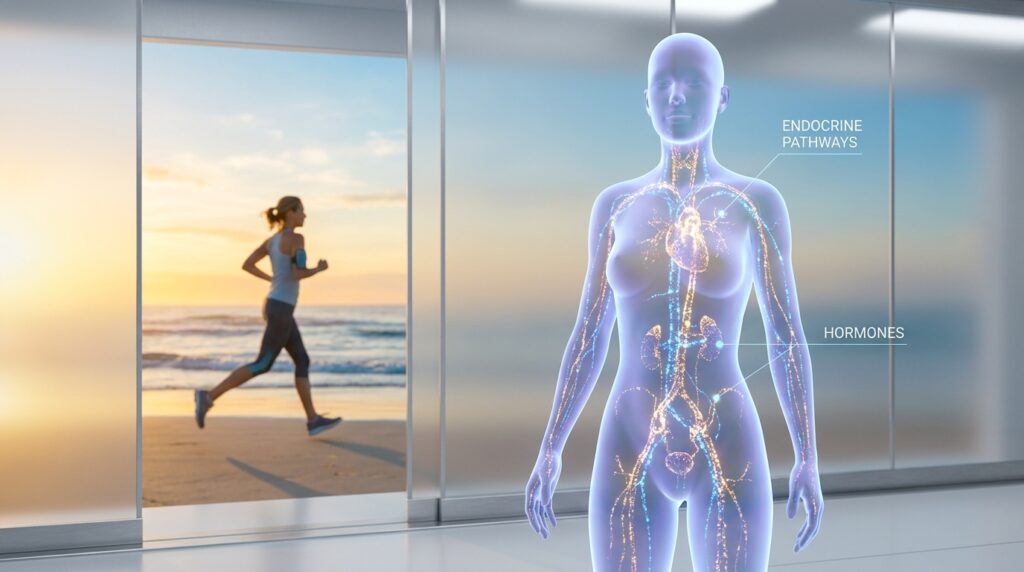
Hormones and weight loss are connected in ways most people never hear about — and that missing piece is probably why you’ve been spinning your wheels. You’ve cut the calories. You’ve skipped the late-night snacks. You’ve hit the gym three times a week. And yet the number on the scale barely moves.
Sound familiar?
Here’s the thing — this is not a willpower problem. It’s a biology problem. Your body runs on a remarkably sophisticated system of chemical messengers that decide, moment to moment, how much fat to store, how hungry to feel, and how fast to burn energy. When those messengers get out of sync, no amount of salad or cardio will save you.
The good news? Once you understand how the system works, you can start working with it instead of against it.
This guide is your complete 2026 roadmap. We’re covering every major hormone that affects your body weight — from cortisol to GLP-1 — and giving you simple, real-world strategies to bring them back into balance. Whether you’re exploring an online weight loss program for the first time or you’ve been at this for years, this is the guide that finally connects the dots. And if you’re following a diet to lose weight that just isn’t delivering results, there’s a good chance your hormones are the reason why.

Table of Contents

The Stress Connection: Why Cortisol Is Quietly Wrecking Your Results
Let’s start with the one nobody talks about enough: cortisol.
Cortisol is your body’s main stress hormone. Your adrenal glands release it when life gets intense — a tough deadline, a hard workout, a scary phone call. In small bursts, it’s actually helpful. It gives you a surge of energy and focus right when you need it.
But here’s where it gets tricky.
When stress becomes a constant background hum — work pressure, poor sleep, financial worry — your cortisol stays elevated. And that creates a whole cascade of problems for your weight.
First, cortisol triggers fat storage around your belly. This is what people call “stress belly,” and it’s one of the most stubborn kinds of fat to shift. High cortisol signals your body to hold energy in reserve, right around your midsection, just in case the “threat” gets worse.
Second, it breaks down muscle tissue. Your body uses protein from your muscles to fuel itself during stress. Less muscle means a slower metabolism — which makes every bite of food more likely to be stored as fat.
Third, it drives cravings. High cortisol makes you want salty, sugary, calorie-dense foods. It’s not weakness. It’s chemistry.
So if stress has been a constant companion, fixing it is non-negotiable for healthy weight loss. Chronic stress silently undermines every other effort you make — and addressing it is often the unlock that makes a healthy weight loss plan finally start working. Here’s where to start:
- Move gently every day. A 20-minute walk outside does more for your cortisol than you’d think. Save the intense workouts for days when you’re genuinely rested.
- Protect your sleep. Seven to nine hours is the target. Cortisol drops naturally during deep sleep — so skimping on rest keeps levels high around the clock.
- Slow down at mealtimes. Eating in a relaxed state signals your nervous system that you’re safe. That calm response helps lower cortisol after meals.
For a deeper look at how stress affects your body weight, the Weight Loss: The Complete Clinical Guide for 2026 walks through the physiology in plain language.

Insulin: The Fat-Storage Switch You Need to Control
Next up is insulin — probably the most important hormone when it comes to understanding why fat accumulates and why it refuses to budge.
Here’s the basic story. When you eat carbohydrates, your blood sugar rises, and your pancreas releases insulin to move that sugar into your cells for energy. Simple enough, right?
The problem comes when you eat a lot of processed carbs and sugar repeatedly throughout the day. Your pancreas has to pump out more and more insulin to handle the load. Over time, your cells start ignoring the signal — this is called insulin resistance — and your blood sugar stays higher than it should.
When insulin is chronically elevated, your body is essentially locked in fat-storage mode. It can’t easily access stored fat for energy because insulin is blocking the door.
This is why so many people hit a wall with their diet to lose weight, even when they’re eating less. If insulin is the problem, cutting calories alone won’t unlock the fat cells. Understanding hormones and weight loss means recognizing that the type of food matters just as much as the quantity — and that a smart diet to lose weight targets insulin directly.
How to bring insulin back under control:
- Choose foods with fiber. Vegetables, legumes, whole grains, and berries slow down the release of sugar into your bloodstream. Less sugar spike = less insulin needed.
- Build muscle with strength training. Muscle tissue is incredibly efficient at absorbing blood sugar — even without insulin. The more muscle you carry, the better your body handles carbohydrates.
- Space your meals out. Constant snacking keeps insulin elevated all day. Giving your body 4–5 hours between meals allows insulin to fall back to baseline.
- Reduce liquid sugar. Juice, soda, sweetened coffees — these cause some of the sharpest insulin spikes of anything you can eat.
If you’re working with a telehealth weight loss provider, ask them to check your fasting insulin and HbA1c levels. Many people discover insulin resistance is at the core of their struggle — and once that’s addressed, everything else starts moving.
Leptin and Ghrelin: The Hunger Game Your Body Plays With You
You’ve been eating perfectly for three weeks. You’ve lost a few pounds. And suddenly you’re ravenously hungry all day, every day.
Welcome to your hunger hormones.
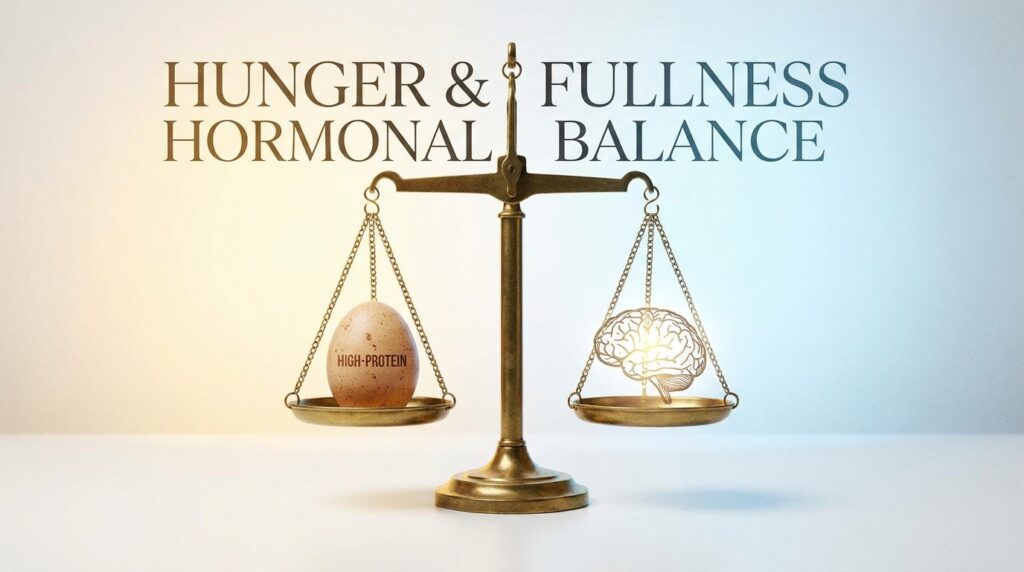
Leptin is produced by your fat cells, and its job is to tell your brain, “We have enough energy stored — stop eating.” Think of it as your fullness signal.
Ghrelin is produced in your stomach, and it does the opposite. It rises before meals and screams, “I need food — now!”
Here’s what makes weight loss so hard biologically: when you lose fat, your leptin levels drop. Your brain interprets this as a threat — a famine signal — and ghrelin surges in response. This is the hormonal explanation for why diets make you hungry and why weight comes back so easily.
It’s not weakness. It’s your body running an ancient survival program that was never designed for modern food environments.
What actually helps:
- Eat enough protein. Protein is the most satiating macronutrient. A high-protein meal suppresses ghrelin more effectively than carbs or fat. Aim for protein at every meal.
- Stick to consistent meal times. Your hunger hormones follow a rhythm. When you eat at random times, that rhythm gets disrupted and cravings spike unpredictably.
- Don’t crash-diet. Severe calorie restriction causes a rapid drop in leptin that your body fights hard. A more gradual approach — as outlined in the Healthy Weight Loss guide — helps preserve leptin signaling.
- Prioritize sleep. Even one night of poor sleep increases ghrelin significantly. If you’re tired, you’ll be hungry — it’s that direct.
Understanding this hormonal tug-of-war changes the whole conversation about healthy weight loss. You’re not failing because you lack discipline. You’re fighting millions of years of evolutionary programming. That deserves a strategy, not shame. Many people find that joining an online weight loss community or working with an online weight loss coach provides the consistent accountability needed while their hormones rebalance — and that support can make all the difference.
Your Metabolic Engine: The Thyroid Gland
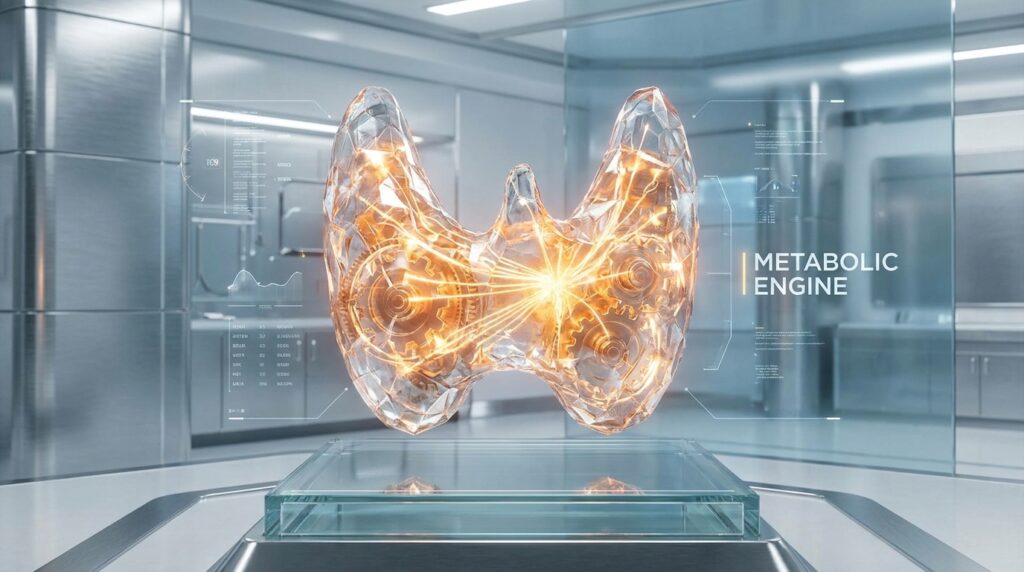
Your thyroid is a small, butterfly-shaped gland at the front of your neck. Don’t let its size fool you — it controls the speed of nearly every metabolic process in your body.
When the thyroid is working well, it produces hormones (T3 and T4) that keep your energy high, your body warm, your digestion smooth, and your metabolism humming at the right pace.
When it’s underactive — a condition called hypothyroidism — it’s like your engine is running at half power. You feel tired even after sleeping. You feel cold when others are comfortable. And your metabolism slows enough that you can gain weight even when you’re barely eating.
Millions of people walk around with undiagnosed or undertreated thyroid issues. They blame themselves for not having the willpower to stick to a diet to lose weight, when the real issue is a hormone imbalance hiding in plain sight.
What to do:
- Get a full thyroid panel. Don’t just ask for TSH — request free T3, free T4, and thyroid antibodies as well. Many people have “normal” TSH but low active thyroid hormones.
- Support thyroid health with nutrition. Iodine (from seaweed, fish, iodized salt), selenium (from Brazil nuts), and zinc are all essential for thyroid hormone production.
- Watch out for inflammation. Autoimmune thyroid disease (Hashimoto’s) is extremely common, especially in women. Anti-inflammatory eating can reduce the immune attacks on the thyroid.
A telehealth weight loss consultation is a great way to get thyroid testing done quickly and conveniently. Many people who felt completely stuck with their diet to lose weight found that treating a thyroid issue was the real turning point — not more restriction, but the right diagnosis. A telehealth weight loss provider can order labs, review results, and build a plan tailored to your specific hormonal picture.
For practical strategies you can start right now, check out the Weight Loss at Home article for a metabolism-friendly approach to daily habits.

Women’s Hormones: PCOS, Perimenopause, and Belly Fat
For women, hormones and weight loss take on extra dimensions. Two of the most common and least discussed challenges are PCOS and perimenopause — and both can make conventional diet advice feel completely useless.
Polycystic Ovary Syndrome (PCOS)
PCOS affects roughly 1 in 10 women of reproductive age, and at its core, it’s an insulin-driven condition. Women with PCOS tend to have higher insulin levels, which drives androgen (male hormone) production, disrupts ovulation, and causes intense carbohydrate cravings.
Weight tends to accumulate around the belly, and it stubbornly resists typical low-calorie diets. The most effective diet to lose weight with PCOS focuses on reducing insulin demand — and that means making strategic food choices, not just eating less. Here’s what a hormone-friendly diet to lose weight looks like for PCOS:
- Low glycemic index (GI) carbohydrates — think sweet potatoes, oats, lentils, and berries, rather than white bread and sugary cereal
- High protein intake — to manage hunger and improve insulin sensitivity
- Inositol supplementation — shown in research to improve insulin sensitivity in PCOS specifically
Perimenopause and Menopause
As estrogen levels decline in the years before and after menopause, several things happen simultaneously. Your metabolism slows. Fat redistributes from your hips and thighs toward your abdomen. Sleep gets disrupted. And mood changes can make emotional eating harder to manage.
This isn’t a personal failing — it’s a hormonal shift happening at the cellular level.
Strategies that make a real difference:
- Strength training becomes essential. As estrogen drops, you lose muscle faster. Building and maintaining muscle mass helps offset the metabolic slowdown.
- Prioritize omega-3 fats. Fatty fish, flaxseeds, walnuts, and chia seeds help reduce the low-grade inflammation that drives weight gain during this phase.
- Consider a telehealth weight loss consultation to discuss whether hormone replacement therapy might be appropriate for your situation.
Knowing that weight changes during these life phases are hormonal — not signs of personal failure — is genuinely liberating. It means there are real tools to address it, not just more willpower to summon.
The GLP-1 Revolution: New Medicine That Works With Your Hormones
It would be impossible to write a 2026 guide on hormones and weight loss without talking about GLP-1 receptor agonists — the medications that have genuinely changed the treatment landscape. For anyone whose struggle with hormones and weight loss has felt biological rather than behavioral, this class of drugs offers a real answer.
GLP-1 (glucagon-like peptide-1) is a hormone your gut naturally produces after eating. It signals your brain that you’re satisfied, slows gastric emptying, and triggers insulin release from the pancreas.
Medications like semaglutide and tirzepatide mimic and amplify this effect. They make you feel full with smaller amounts of food, reduce food cravings, and can produce significant weight loss for many people who haven’t responded to diet and exercise alone.
How these medications work:
- They slow how quickly your stomach empties food into the intestine, prolonging the feeling of fullness
- They act directly on the brain’s appetite centers to reduce hunger signals
- They improve insulin sensitivity over time
- Tirzepatide also activates GIP receptors, which adds additional effects on fat metabolism
These aren’t magic pills — they work best alongside healthy lifestyle habits. But for people whose biology has been working against them — particularly those with insulin resistance, PCOS, or a history of yo-yo dieting — they can finally level the playing field.
Telehealth weight loss platforms have made these medications far more accessible than they once were. A provider can review your labs, discuss your history, and determine whether medication is appropriate — all without leaving home.
For a breakdown of current Weight Loss Programs that incorporate hormonal approaches, including GLP-1 options, that resource goes into real depth on what’s available.
Sleep: The Underrated Hormone Reset Button
Here’s something that often gets skipped in weight loss conversations: sleep is not passive. While you’re asleep, your body is actively regulating nearly every hormone that affects your weight.
Growth hormone — which repairs muscle tissue and helps mobilize fat — is released primarily during deep sleep. Cortisol drops to its lowest point overnight. Leptin rises to send fullness signals to your brain for the next day. Ghrelin is suppressed.
When you cut sleep short, this whole process gets disrupted. Cortisol stays elevated. Ghrelin surges. Leptin drops. You wake up hungry, tired, and craving high-calorie comfort food. And no amount of healthy intention survives that biochemical storm.
Building a sleep routine that supports healthy weight loss:
- Set a consistent bedtime and wake time — even on weekends
- Keep your bedroom cool (around 65–68°F or 18–20°C is ideal for most people)
- Avoid screens for at least one hour before bed — the blue light suppresses melatonin
- Avoid caffeine after 2 p.m.
- If stress is keeping you awake, address it directly through journaling, breathwork, or gentle stretching before bed
Even shifting from 6 to 7.5 hours of sleep per night can produce measurable improvements in hunger hormones within a week. It’s one of the highest-leverage changes you can make.
Exercise: Not Just Burning Calories — Reshaping Your Hormonal Environment
Most people think about exercise as a way to burn calories. And yes, it does that. But for hormones and weight loss, the more important effects are happening at a deeper level. Exercise is one of the most powerful tools you have for reshaping your hormonal environment — and no diet to lose weight works as well without it.
Strength training improves insulin sensitivity — each pound of muscle you build acts like a sponge that soaks up blood sugar without requiring insulin. This is one of the most powerful long-term strategies for managing insulin resistance.
Moderate cardio lowers cortisol — a 30-minute walk or a gentle bike ride actually reduces stress hormone levels. Intense exercise, on the other hand, temporarily raises cortisol. This doesn’t mean you should avoid hard workouts — but if you’re already stressed and sleep-deprived, adding intense daily exercise can backfire.
Exercise increases growth hormone — short, intense bouts of exercise (like interval training) trigger growth hormone release, which promotes fat burning and muscle preservation.
Movement improves thyroid sensitivity — regular physical activity helps your cells respond better to thyroid hormones, effectively increasing their impact without needing higher doses.
The practical takeaway? A combination of 2–3 sessions of strength training per week, plus daily moderate movement (walking, cycling, swimming), hits the sweet spot for most people’s hormonal health.
For step-by-step guidance on structuring your routine, the How to Lose Weight resource has solid frameworks built around sustainable movement.
Building Your Personal Hormone-Balancing Strategy
Now let’s put it all together into something you can actually use. The relationship between hormones and weight loss is not abstract — it plays out in the daily decisions you make about food, sleep, movement, and stress. When those decisions are aligned, hormones and weight loss finally start working in the same direction.
The goal here isn’t perfection. It’s consistency. Your hormones respond to patterns — not occasional efforts.
Your hormone-friendly daily framework:
Morning: Start with a high-protein breakfast within an hour of waking. Eggs, Greek yogurt, cottage cheese, or a protein smoothie. This suppresses ghrelin early and sets your appetite rhythm for the day. Get some natural light within 30 minutes of waking — it helps regulate your cortisol curve so it peaks in the morning (when you want it) and fades by evening.
Midday: Keep your lunch balanced — lean protein, plenty of non-starchy vegetables, a moderate amount of complex carbohydrates, and healthy fat. Don’t skip this meal. Skipping lunch triggers ghrelin and leads to overeating in the evening, which disrupts insulin and sleep.
After lunch, take a 10–15 minute walk if you can. Even light post-meal movement significantly reduces blood sugar spikes and insulin demand.
Afternoon: This is when energy naturally dips for most people. Instead of reaching for sugar or caffeine, try water, herbal tea, or a small snack with protein and fat (like nuts, or apple slices with almond butter). Avoid sugary snacks, which send insulin soaring and set off a crash an hour later.
Evening: Make dinner your lightest meal of the day if possible — your insulin sensitivity is lower in the evening, meaning carbohydrates are more likely to be stored as fat. Focus on protein and vegetables. Avoid eating within 2–3 hours of bedtime.
Screens off an hour before bed. This one habit — more than almost any other — protects your melatonin and sets you up for restorative, hormone-regulating sleep.
The diet to lose weight that actually fits this picture:
Rather than a restrictive eating plan that cuts entire food groups, the best diet to lose weight for hormonal health looks balanced and sustainable. Aim for a plate that looks like this at every meal:
- Half vegetables — the more variety and color, the better
- A quarter lean protein — chicken, fish, eggs, tofu, legumes
- A quarter complex carbohydrates — sweet potato, brown rice, oats, quinoa
- A tablespoon or two of healthy fat — olive oil, avocado, nuts
This structure naturally keeps insulin steady, satisfies ghrelin, supports thyroid function, and gives your body the nutrients it needs to regulate every other hormone. For more on how food choices directly influence your hormonal health, the role of nutrition in weight management is essential reading.
When to Get Professional Help
Sometimes, doing everything right isn’t enough — and that’s not a failure, it’s a sign that you need more information about what’s happening inside your body.
If you’ve been consistently eating well, sleeping enough, managing stress, and exercising — and you’re still not making progress — it’s worth investigating:
- Comprehensive hormone panel — including cortisol, insulin, thyroid (full panel), sex hormones, and leptin
- Metabolic rate testing — to see if your resting metabolism is actually where it should be
- Gut microbiome assessment — emerging research shows your gut bacteria directly influence hunger hormones and weight regulation
- Medication review — some common medications (antidepressants, blood pressure drugs, steroids, contraceptives) can affect weight through hormonal pathways
This is where online weight loss platforms and telehealth weight loss providers genuinely shine. You can access lab testing, review results with a qualified clinician, and get personalized guidance — often faster and more affordably than through a traditional GP.
Online weight loss coaching programs can also help you build the behavioral habits that support hormonal health over the long term. Accountability, community, and education all matter — especially during the months when your hormones are adjusting and motivation naturally fluctuates. A good online weight loss program doesn’t just hand you a meal plan; it teaches you to read your body’s signals and respond in ways that actually work.
For people who want to move quickly and safely, how to weight loss quickly explores approaches that can accelerate results without compromising your metabolic health.
Your 2026 Hormone Checklist
Here’s a quick summary of the habits that support every hormone discussed in this guide. Think of this as your daily blueprint for healthy weight loss — not a temporary fix, but a lifestyle that makes healthy weight loss feel natural and sustainable:
- Eat protein at every meal — controls ghrelin, preserves muscle, supports thyroid
- Choose fiber-rich carbohydrates — keeps insulin stable
- Strength train 2–3 times per week — builds insulin-absorbing muscle, boosts growth hormone
- Walk daily — lowers cortisol, improves mood, supports thyroid sensitivity
- Sleep 7–9 hours — resets every metabolic hormone
- Manage stress actively — meditation, breathing, time in nature all reduce cortisol
- Eat at consistent times — trains your hunger hormones to a predictable rhythm
- Get regular bloodwork — don’t guess when you can know
Final Thoughts
Hormones and weight loss are not separate topics. They’re the same topic, looked at from two angles. Every pound you carry, every craving you feel, every plateau you hit — there’s a hormonal explanation behind it.
The beautiful thing about understanding this is that it removes the blame. You weren’t failing because you lacked discipline. You were fighting an uninformed battle against your own biology. Now you know better.
Healthy weight loss isn’t about suffering through restriction — it’s about creating the conditions your body needs to willingly let go of stored fat. When cortisol is calm, insulin is low, leptin is responsive, and your thyroid is functioning well, your body becomes your partner in this journey rather than your opponent. That’s what makes genuine, lasting healthy weight loss possible — not a stricter diet, but a smarter understanding of your own biology.
And when you finally grasp the full picture of hormones and weight loss — how they connect, how they clash, and how to bring them back into alignment — you stop chasing quick fixes and start building something that actually lasts.
Start with one change today. Fix your sleep. Add a protein-rich breakfast. Take a walk after dinner. If you want extra structure and support, explore an online weight loss platform — the combination of professional guidance and community accountability makes a measurable difference. Choose one thing, do it consistently, and watch how it ripples through everything else.
Your hormones are listening. Give them something to work with.
Medical Disclaimer: This content is for informational purposes only and does not constitute medical advice. Always consult with a healthcare professional before starting any weight loss program. Please seek proper guidance to ensure your safety and well-being.
Looking for more guidance? Explore our full library:
Pingback: bronchitis pain symptoms
Pingback: OnsetMaster Hub
Pingback: Timing Pharmacology Resource
Pingback: Sildenafil vs Cialis Onset Timing Comparison
ilcu8y