
Starting a weight loss journey can be thrilling and scary. Learn best way to lose weight by eating well, staying active, managing stress, and sleeping enough.
Going for a slow weight loss of 1 to 2 pounds a week is better. It helps you keep the weight off for good. This method is all about making lasting changes, not quick fixes.
In this article, we’ll dive into what makes a weight loss plan work. We’ll cover nutrition, exercise, and lifestyle changes. Our goal is to help you reach your weight loss goals.

Understanding How Weight Loss Actually Works
To lose weight successfully, you need to know how it works. Weight loss is influenced by diet, exercise, metabolism, and lifestyle. Understanding these factors helps you make better choices for your weight loss journey.
Let’s explore the key elements that help you lose weight effectively.
The Science Behind Calories and Energy Balance
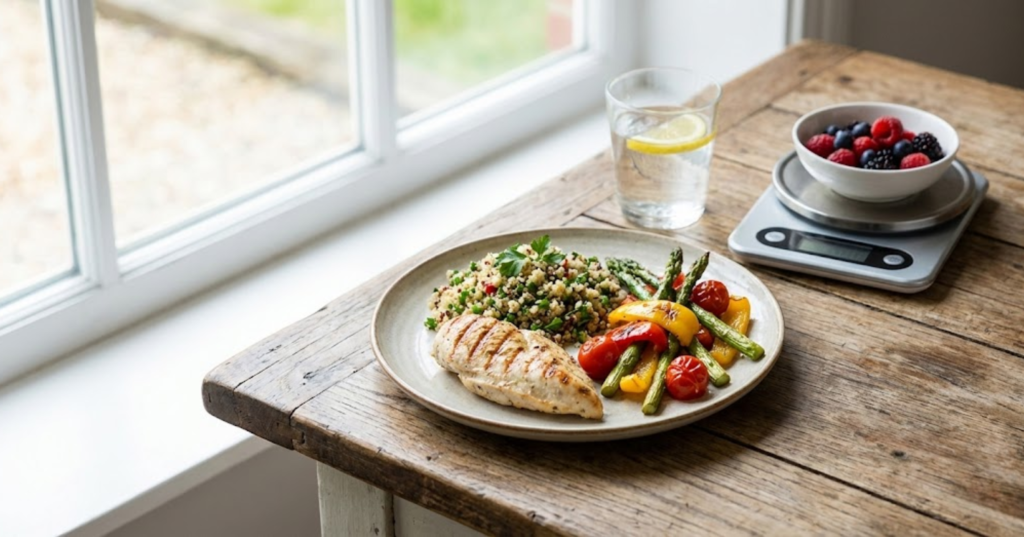
Weight loss is all about creating a calorie deficit. This means you burn more calories than you eat. This idea is based on the law of energy balance.
To lose weight, you can eat less, move more, or do both. Knowing how different foods affect your calorie intake is important. For example, protein-rich foods can keep you full longer, helping you avoid overeating.
Why Your Metabolism Matters More Than You Think
Your metabolism is key to weight loss. It’s how fast your body burns calories for basic functions, known as your basal metabolic rate (BMR). Your age, genetics, and muscle mass can affect your metabolism.
A faster metabolism helps you burn more calories, making weight loss easier. Adding strength training to your routine can increase your metabolism by building muscle.
Setting Realistic Weight Loss Goals for Long-Term Success
Setting realistic weight loss goals is essential for lasting success. Unrealistic goals can lead to disappointment. Health experts suggest aiming to lose 1-2 pounds per week.
To reach this goal, make small changes to your diet and exercise. Keep track of your progress and adjust your goals as needed. Remember, successful weight loss takes patience and persistence.

Calculate Your Personal Calorie Needs
Knowing how many calories you need daily is key for losing weight. To lose weight, you must eat fewer calories than you burn. First, find out how many calories your body needs every day.
Determine Your Basal Metabolic Rate
Your Basal Metabolic Rate (BMR) is how many calories your body needs at rest. It’s the biggest part of your daily calorie use. Use the Harris-Benedict Equation or an online BMR calculator to find your BMR. For example, the Harris-Benedict Equation works like this:
- For men: BMR = 66 + (6.2 * weight in lbs) + (12.7 * height in inches) – (6.8 * age in years)
- For women: BMR = 655 + (4.35 * weight in lbs) + (4.7 * height in inches) – (4.7 * age in years)
Factor in Your Activity Level
After finding your BMR, add your activity level to get your Total Daily Energy Expenditure (TDEE). Your TDEE is how many calories you burn daily, including your BMR and activity. Multiply your BMR by an activity factor:
- Sedentary: BMR * 1.2 (little or no exercise)
- Lightly active: BMR * 1.375 (light exercise/sports 1-3 days/week)
- Moderately active: BMR * 1.55 (moderate exercise/sports 3-5 days/week)
- Very active: BMR * 1.725 (hard exercise/sports 6-7 days a week)
- Extra active: BMR * 1.9 (very hard exercise/sports & physical job or 2x training)
Create a Safe Calorie Deficit
To lose weight, aim for a calorie deficit of 500 to 1000 calories a day. This will help you lose 1 to 2 pounds a week, a safe and healthy rate. For example, if your TDEE is 2500 calories, try to eat 1500 to 2000 calories a day. Remember, eating too few calories can be harmful and lead to nutrient deficiencies.
By knowing your calorie needs and aiming for a safe deficit, you can make a weight loss plan that works for you. This method not only helps you lose weight but also supports your overall health and well-being.

Build a Sustainable Nutrition Plan
Creating a nutrition plan that works for the long term is key to losing weight. A good plan helps you develop healthy eating habits. These habits help you reach and keep your weight loss goals.
Choose Whole, Nutrient-Dense Foods
It’s important to focus on whole, nutrient-dense foods. These foods give you the vitamins, minerals, and antioxidants you need. They also help you feel full and satisfied. Examples include:
- Fruits: rich in fiber, vitamins, and antioxidants
- Vegetables: high in fiber, vitamins, and minerals
- Lean Proteins: supports muscle growth and satisfaction
- Whole Grains: rich in fiber, vitamins, and minerals
- Healthy Fats: supports heart health and satisfaction
Balance Your Macronutrients Correctly
It’s vital to balance your macronutrients for energy and health. Make sure your diet has a good mix of:
- Carbohydrates: provides energy, found in whole grains, fruits, and vegetables
- Proteins: supports muscle growth and repair, found in lean meats, fish, and legumes
- Fats: essential for hormone production and brain function, found in nuts, seeds, and healthy oils
Master Portion Control Without Counting Every Calorie
Mastering portion control is key for a healthy weight. You can do this by:
- Using smaller plates to reduce serving sizes
- Eating slowly and mindfully to recognize when you’re full
- Avoiding distractions while eating, such as watching TV or using your phone
This way, you develop a healthier relationship with food. It also helps you avoid overeating.
Prepare Meals in Advance to Stay Consistent
Meal preparation is a great way to stay consistent with your nutrition plan. By preparing meals ahead of time, you can:
- Save time during the week
- Avoid last-minute, unhealthy food choices
- Ensure that you’re meeting your nutritional needs
Start by planning your meals for the week. Then, make a grocery list and cook meals in bulk. This keeps you on track and makes healthy eating a sustainable part of your life.

The Best Way to Lose Weight Through Smart Eating Habits
Healthy eating habits are key for losing weight and keeping it off. Focus on foods rich in nutrients and eat mindfully. This way, you can reach your weight loss goals more easily.
Prioritize Protein at Every Meal
Adding protein to your meals makes you feel full longer. This helps prevent overeating. Lean meats, fish, eggs, tofu, and legumes are great protein sources. Make sure to include protein at every meal to help with weight loss.
Fill Up on Fiber-Rich Vegetables and Fruits
Foods high in fiber are filling and full of nutrients. Broccoli, spinach, bell peppers, apples, berries, and citrus fruits are all high in fiber. Adding these to your diet can make you feel full and cut down on unhealthy snack cravings.
Drink Water Before and During Meals
Drinking water is important for health and can help with weight loss. Drinking water before and during meals can make you feel fuller. Make drinking a glass of water before each meal a habit.
Practice Mindful Eating to Recognize Fullness
Mindful eating means listening to your body’s hunger and fullness signals. Eating slowly and enjoying your food helps you know when you’re full. Eat without distractions, like turning off the TV or putting away your phone, to improve your mindful eating.
By making these smart eating habits part of your daily life, you can build a healthier relationship with food. Remember, successful weight loss comes from keeping up good habits for the long haul.
Design Your Ideal Exercise Routine
A good exercise routine is key for any weight loss plan. It burns calories and boosts health. To lose weight, mix cardio, strength training, and flexibility exercises in your routine.

Start with 150 Minutes of Moderate Cardio Weekly
Cardio like brisk walking, cycling, or swimming is great for calorie burn and heart health. Aim for 150 minutes weekly. This can be 30 minutes daily, five days a week. It helps you lose weight and get fitter.
Add Strength Training Two to Three Times Per Week
Strength training builds muscle, which increases metabolism. This means you burn more calories even when resting. Do strength training two to three times a week. Choose exercises that work many muscles at once, like squats and push-ups.
Try High-Intensity Interval Training for Faster Results
High-Intensity Interval Training (HIIT) is short, intense exercise with brief rests. It’s great for calorie burn and heart health. Add HIIT workouts to your routine for better weight loss.
Increase Your Daily Steps and Non-Exercise Activity
More daily activity also helps with weight loss. Try to take at least 10,000 steps a day. Use stairs, walk during breaks, or pace while on calls. Every step counts and adds up.
By adding these to your routine, you’ll reach your weight loss goals and stay active. Remember, consistency is important. Choose activities you like and stick with them.
Follow the Best Diet to Lose Belly Fat
Belly fat builds up due to diet, exercise, and stress. It’s linked to serious health issues like diabetes and heart disease. Knowing why it happens and how to stop it is key to losing weight.
Understanding Why Belly Fat Accumulates
Belly fat is a complex issue. Genetics play a role, but lifestyle choices matter too. Eating too much sugar and carbs can lead to insulin resistance and belly fat.
- Poor diet high in processed foods and sugars
- Lack of physical activity
- High stress levels leading to increased cortisol
- Genetic predisposition
Foods That Help Reduce Visceral Fat
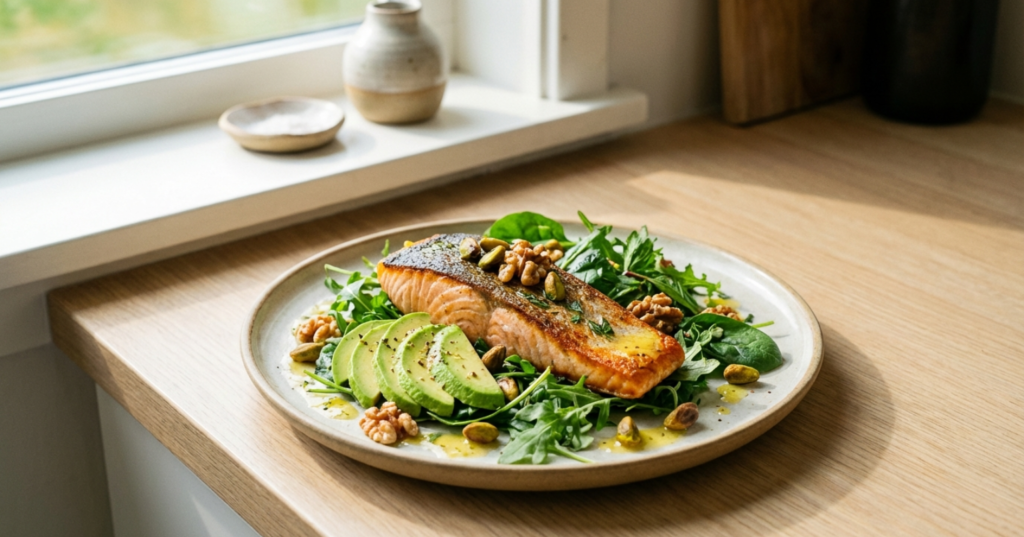
Eating the right foods can help reduce belly fat. Green leafy vegetables like spinach and kale are full of antioxidants and fiber. Fatty fish like salmon are rich in omega-3s, which fight inflammation. Whole grains like quinoa and brown rice make you feel full longer.
- Green leafy vegetables
- Fatty fish like salmon and sardines
- Whole grains such as quinoa and brown rice
- Nuts and seeds like almonds and chia seeds
Exercises That Strengthen Your Core and Burn Fat
Exercise is key for burning belly fat and strengthening your core. High-Intensity Interval Training (HIIT) boosts your metabolism and burns fat. Exercises like planks and crunches improve your posture and metabolism.
- High-Intensity Interval Training (HIIT)
- Planks and variations
- Crunches and leg raises
- Russian twists
Reduce Stress and Cortisol Levels
Stress increases belly fat due to cortisol, a fat-storing hormone. Stress-reducing techniques like meditation, yoga, and deep breathing can lower cortisol. This helps with weight loss.
- Meditation and mindfulness practices
- Yoga and tai chi
- Deep breathing exercises
- Regular physical activity
By understanding belly fat causes and using a healthy diet, exercise, and stress management, you can reduce visceral fat. This improves your overall health.
Optimize Your Lifestyle for Maximum Results
For a successful weight loss plan, it’s not just about diet and exercise. You need a holistic approach to lifestyle changes. This way, you can create a supportive environment for your weight loss goals.

Get Seven to Nine Hours of Quality Sleep
Enough sleep is key for weight loss. Your body controls hunger hormones while you sleep. Without enough sleep, you might eat more. Aim for 7-9 hours of quality sleep each night to help your body recover and support your weight loss efforts.
To improve sleep quality, establish a bedtime routine. Avoid caffeine and electronics before bed. Also, make your sleep environment comfortable.
Manage Stress Through Healthy Coping Mechanisms
Chronic stress can stop weight loss by increasing cortisol, a fat-storing hormone. Engage in stress-reducing activities like meditation, yoga, or deep breathing exercises. This helps manage stress levels.
- Practice mindfulness to reduce stress
- Engage in physical activities that you enjoy
- Connect with friends and family for support
Limit Alcohol Consumption and Sugary Drinks
Drinking too much alcohol and sugary drinks can increase your calorie intake. Limit your consumption of these beverages and choose healthier options like water or unsweetened tea.
Remember, the calories in alcoholic drinks and sugary beverages add up quickly.
Build a Support Network for Accountability
A support network can greatly help your weight loss journey. Surround yourself with people who encourage and motivate you. Share your progress with a friend or family member and ask for their support.
- Join a weight loss support group
- Share your goals with a friend or family member
- Participate in online forums or communities
Track Your Progress and Make Smart Adjustments
Keeping track of your weight loss journey is important. You need to monitor your progress and adjust your plan as needed. It’s key to know how far you’ve come and what changes to make to keep going.
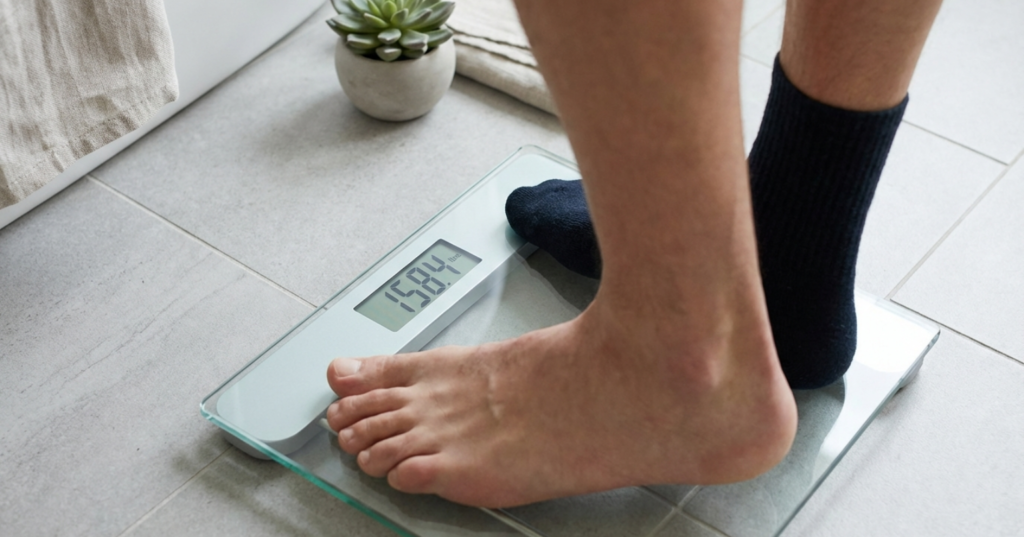
Weigh Yourself Weekly at the Same Time
Being consistent with your weigh-ins is vital. Choose a specific day and time each week to step on the scale. This way, you can see real weight changes, not just water or timing issues.
Take Body Measurements and Progress Photos
Measuring your body and taking photos gives a fuller view of your journey. Measure around key areas like your waist, hips, and chest, and take photos from different angles. These can be very motivating and show changes not seen on the scale.
Keep a Food and Exercise Journal
Writing down what you eat and exercise can reveal patterns and areas for betterment. Record everything you eat and drink, and your workouts and their length. This helps you stay accountable and understand how diet and exercise affect your weight.
Recognize When to Modify Your Weight Loss Program
It’s important to notice when your current plan isn’t working. Pay attention to your weight loss plateau or any undesirable changes. If you’re not losing weight or if you’re experiencing negative effects, it’s time to tweak your plan. Being responsive to your body and making smart changes is key for lasting success.
By tracking your progress and being open to making changes, you’ll do better on your weight loss journey. You’ll get the results you want with the best weight loss program for you.
Avoid These Common Weight Loss Mistakes
Weight loss journeys can be full of obstacles that slow you down. It’s important to know and avoid common mistakes. This way, you can make a weight loss plan that really works for you.
Don’t Follow Extreme Fad Diets or Detoxes
Fad diets and detoxes promise quick results but can harm your health. They often cut out important food groups, leading to nutrient deficiencies. Instead, aim for lasting lifestyle changes that help you lose weight over time.
Extreme diets are hard to stick to and can slow your metabolism. A balanced diet with whole foods is a better way to reach your weight loss goals.
Never Skip Meals to Create a Larger Deficit
Skipping meals might seem like a quick way to eat fewer calories. But it can actually make you eat more later in the day. This can lead to eating more calories than you would with regular meals.
Eating regular, balanced meals keeps your metabolism going and makes you feel full longer. It’s key to fuel your body with the right foods at the right times to help with weight loss.
Avoid Eliminating Entire Food Groups Unnecessarily
Removing entire food groups without a medical reason can cause nutrient deficiencies. For example, cutting out dairy or gluten without a reason can deprive your body of important nutrients. It’s best to include a variety of foods in your diet unless you have a specific dietary need.
A balanced diet with a wide range of foods ensures you get all the nutrients you need. Adding colorful vegetables and fruits to your diet provides essential vitamins and minerals.
Don’t Overlook the Importance of Rest and Recovery
Rest and recovery are key to a successful weight loss plan. Getting enough sleep and giving your muscles time to recover between workouts is vital for your health and weight loss progress.
Stop Comparing Your Journey to Others
Comparing your weight loss journey to others can be discouraging. Everyone’s body is different, and what works for one person might not work for you. Focus on your own progress and celebrate your achievements, no matter how small.
Staying positive and focused on your goals is essential for successful weight loss. By avoiding common mistakes and staying consistent, you can achieve a healthier, more sustainable weight loss.
Conclusion
To lose weight successfully, you need a complete plan. This includes a healthy diet, regular exercise, and lifestyle changes. Knowing how to lose weight and how many calories you need is key.
You’ve learned how to eat well and choose foods high in protein and fiber. You also know how to exercise right, with cardio, strength training, and HIIT. Plus, you understand the role of sleep, stress management, and drinking less alcohol in your weight loss.
By following these tips, you’ll not only reach your weight loss goals. You’ll also get healthier overall. Stay on track, monitor your progress, and tweak your plan as needed for lasting success.
FAQ
What’s the best way to lose weight?
To lose weight, mix a good nutrition plan with regular exercise. Also, make lifestyle changes that help you eat fewer calories and stay healthy.
How do I calculate my personal calorie needs for weight loss?
First, find out your basal metabolic rate. Then, add your activity level to get a calorie deficit for losing weight.
What are the most effective exercises for losing belly fat?
To lose belly fat, do exercises that strengthen your core and burn fat. High-intensity interval training and strength training are good choices.
How can I build a sustainable nutrition plan for weight loss?
For a good nutrition plan, eat whole, nutrient-rich foods. Balance your macronutrients, control your portions, and plan your meals ahead.
What are some common mistakes people make when trying to lose weight?
Avoid extreme diets, skipping meals, and cutting out food groups without reason. Don’t forget the importance of rest and recovery.
How often should I track my progress during my weight loss journey?
Weigh yourself weekly at the same time. Take body measurements and photos. Also, keep a food and exercise journal.
What’s the best diet to lose belly fat?
Eat whole, nutrient-rich foods and avoid processed and high-sugar foods. This can help reduce belly fat.
How can I manage stress and cortisol levels to support my weight loss?
Manage stress with healthy habits like meditation, yoga, or deep breathing. These can help control cortisol levels.
What’s the importance of getting quality sleep for weight loss?
Quality sleep, seven to nine hours, is key for weight loss. It helps control hunger hormones and supports health.
How can I stay motivated and accountable during my weight loss journey?
Build a support network and track your progress. Celebrate small victories to stay motivated and accountable.
Medical Disclaimer: This content is for informational purposes only and does not constitute medical advice. Always consult with a healthcare professional before starting any weight loss program.